Approaching the month of October, and everywhere people talk about Halloween. Pumpkins are being carved, spooky costumes are lining the store displays, and the internet is flooded with horror movie marathons. But do you know that in India, we have a sacred 16-day period dedicated to remembering our ancestors?
While the Western world dresses up as ghosts and spirits for a single night of fun, Indian tradition sets aside a whole fortnight—known as Pitru Paksha (or Shraddh Paksha)—for quiet, deep gratitude to those who came before us.
If you’ve ever wondered what this period is all about, why we pause new purchases during this time, or what spiritual significance lies behind these rituals, let’s walk through it together.
What is Pitru Paksha?
Pitru Paksha translates to the “fortnight of the ancestors.” It is a 16-day period in the Hindu lunar calendar (falling between September and October) where families honor their deceased parents, grandparents, and forebears.
Unlike colorful Hindu festivals like Diwali or Navratri, Pitru Paksha isn’t an outward celebration. There are no bright lights, music, or shopping sprees. Instead, it’s a time of mindful reflection, inner quiet, and ancestral gratitude.
The Spiritual Significance of Pitru Paksha: Why Do We Observe It?
In ancient Vedic philosophy, every person is born with three spiritual debts:
– debt to the divine (Deva Rina),
– debt to spiritual teachers (Rishi Rina),
– and debt to ancestors (Pitru Rina).
Our ancestors gave us our physical bodies, our names, our family heritage, and our core values. Performing simple acts of devotion during Pitru Paksha is our way of saying: “I remember you, I acknowledge my roots, and I am grateful for everything you passed down to me.”
1. Repaying the Ancestral Debt (Pitru Rina)
How do we do it?
We repay this debt not with money or grand material gifts, but through simple acts of remembrance:
- Offering pure water mixed with black sesame seeds (Tarpan).
- Donating food (Anna Daan) to the poor, priests, and animals like cows, crows, and dogs.
- Sitting in quiet prayer and expressing heartfelt gratitude for their life and sacrifices.
2. Settling Ancestral Karma (Pitru Dosha)
Have you ever heard of inherited generational traits or trauma? Long before modern science began studying how emotional patterns can pass down through generations, Vedic wisdom spoke of Pitru Dosha—unresolved emotional wounds, unfulfilled desires, or karmic burdens within a family tree.
It is shared family karma: Just as we inherit genetic traits or financial debts from our family, we inherit subtle karmic patterns. Pitru Dosha simply indicates that the current generation has an opportunity to heal a broken link in the family chain.
When we pray for our ancestors’ peace and feed the needy in their memory, we help calm these unresolved energies. It acts as a spiritual form of generational healing, breaking negative family cycles so future generations can thrive.
3. Helping Souls Move Toward Moksha (Liberation)
It is believed that during these 16 days, the veil between our physical realm and the ancestral realm (Pitriloka) thins. The subtle offerings made by living descendants—like Pinda Daan (offering cooked rice balls) and sincere prayers—provide comfort and spiritual light to departed souls, easing their path toward ultimate peace and liberation (Moksha).
Do the deceased visit their loved ones during this time?
Yes, according to tradition, the subtle energies or consciousness of departed ancestors draw near to their living descendants. They visit in spirit to receive our prayers and offerings.
Simple, loving offerings like Pinda Daan (rice balls cooked with sesame seeds) and sincere prayers act as spiritual nourishment. These acts bring comfort to departed souls, resolve lingering attachments, and ease their onward journey toward peace and ultimate liberation (Moksha).
How Do They “Visit”? (The Nature of the Presence)
In Vedic philosophy, ancestors do not return as physical ghosts or visible phantoms. Because they exist as subtle energy/consciousness, their presence is felt and received through subtle mediums:
- Through Animals and Birds: During Pitru Paksha, it is believed ancestors accept offerings through specific living creatures—especially crows (viewed as messengers between realms), cows, and dogs. When a crow accepts the food offered on your balcony or roof during Shraddha, it is symbolically seen as the ancestor receiving your love.
- Through Inner Feelings & Dreams: Many people report feeling a sudden, calm sense of nostalgia, vivid dreams of deceased family members, or a strong emotional pull to remember them during these 16 days.
- Through the Element of Water: Water (Tarpan) poured with love is said to reach them instantly as spiritual refreshment, regardless of where they are in their cosmic journey.
Sarva Pitru Amavasya (The 16th and Final Day / No-Moon Night): This is the most significant day of Pitru Paksha. It is believed that all ancestors, named or unnamed, visit on this final day. If you missed their specific Tithi or don’t know when they passed, any prayer or food offered on Amavasya reaches all your forebears universally.
From Ancestral Remembrance to Halloween Thrills
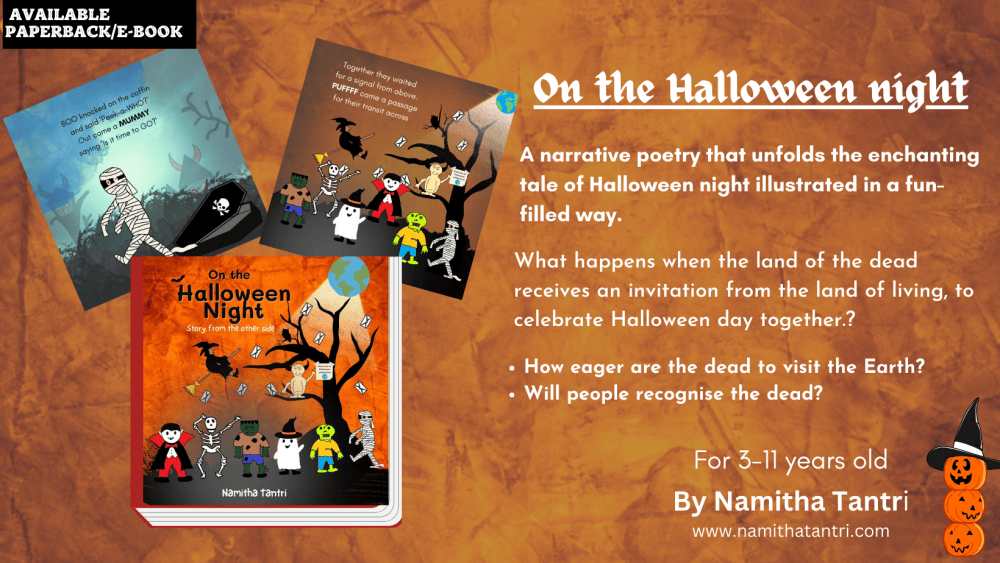
Loved learning about the spiritual side of October? Keep the seasonal atmosphere going! Grab a hot cup of tea and dive into my Halloween release,
Available on Amazon / Kindle: On the halloween night
Free printable: Halloween printable pdf format


You must be logged in to post a comment.